

Commercial Painting Estimates: Understanding the Scope of Work

Evaluating a commercial or industrial painting proposal requires looking beyond the bottom line figure. A professional estimate for a large scale asset functions as a detailed engineering roadmap, outlining the precise methodology, material science, and safety logistics required to execute the project successfully.
Understanding how a technical estimate is structured allows facility managers to accurately compare bids, ensure compliance, and verify that critical protective steps are not being omitted to artificially lower the initial price.
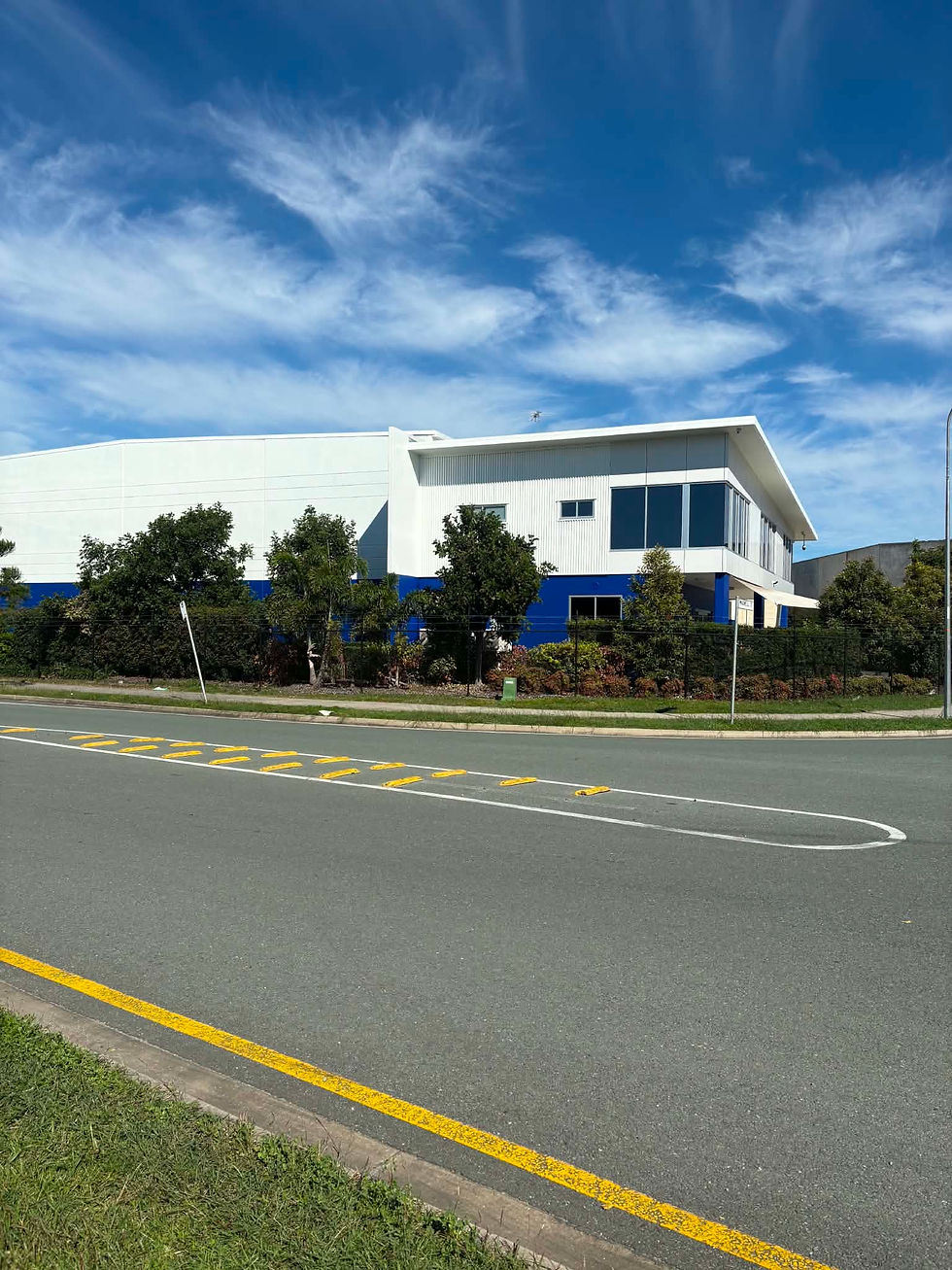
1. Definite Scope Mapping and Substrate Quantities
The foundation of any reliable commercial estimate is a precise breakdown of the physical substrates and total surface area measurements. Rather than utilizing vague descriptions such as painting exterior as discussed, a technical proposal specifies the exact square meterage of precast concrete panels, metal cladding, structural steel, or timber trim included in the scope.
Accurate quantity surveying ensures that the material volumes allocated to the project are sufficient to achieve the manufacturer specification. If a bid lacks clear surface area breakdowns, it introduces the risk of material thinning mid project, which directly compromises the long term durability and UV resistance of the finished coating system.
2. Surface Preparation Specifications and Remedial Works
The longevity of a commercial coating system is heavily dependent on the quality of the substrate preparation, which frequently represents the most labor intensive phase of the project. A comprehensive estimate details the exact preparation methods required for each specific surface, including high pressure chemical washing, mechanical abrasion, scraping, and spot priming.
For assets in northern climates experiencing extreme UV exposure and humidity, this preparation phase must be highly tailored. Property owners managing these regional assets look for detailed itemization of substrate washing and membrane application during a standard QLD repaint to ensure the structure survives intense tropical weathering. Clearly identifying these remedial steps in the initial estimate ensures there are no hidden variations or unexpected stoppages once the project is underway.
3. Technical Material Data and Film Thickness Targets
A premium commercial proposal moves past generic paint brands to specify the exact product lines, primer systems, and finish coats engineered for the building's specific environment. This section outlines the technical justification for the chosen system, such as utilizing high build elastomeric membranes for concrete panels subject to thermal movement or anti carbonation coatings for industrial corridor assets.
Crucially, the estimate should define the targeted wet film thickness and dry film thickness measured in microns. Specifying these metrics ensures the application crew applies the exact number of coats required to meet structural waterproofing standards and secure the full manufacturer product warranty.
4. Long-Term Strategy and Safety Logistics
Executing work on multi level facilities introduces complex logistical and safety requirements that must be fully accounted for within the estimate. A professional proposal itemizes the specific access solutions required for the site, including specialized scaffolding, boom lifts, scissor lifts, or industrial rope access setups. This structural breakdown is a core component of any structured Commercial Painting delivery model.
Furthermore, these logistical elements should not be viewed as isolated, one-off costs. For large scale asset portfolios, tracking access and material lifecycle targets is best handled through a planned, recurring Maintenance program. Outlining these framework logistics transparently ensures that the project complies with all workplace health and safety standards while keeping the ongoing capital expenditure of the active facility highly predictable.
"A commercial painting estimate should leave zero room for assumption. It is a technical contract that binds substrate preparation, material volume, and access logistics into a single, predictable project timeline." — Luke, Head of Estimating ATD
Reviewing a commercial painting proposal for your asset?
ATD provides highly detailed, transparent estimates and technical site assessments across Victoria, Queensland, New South Wales & New Zealand


